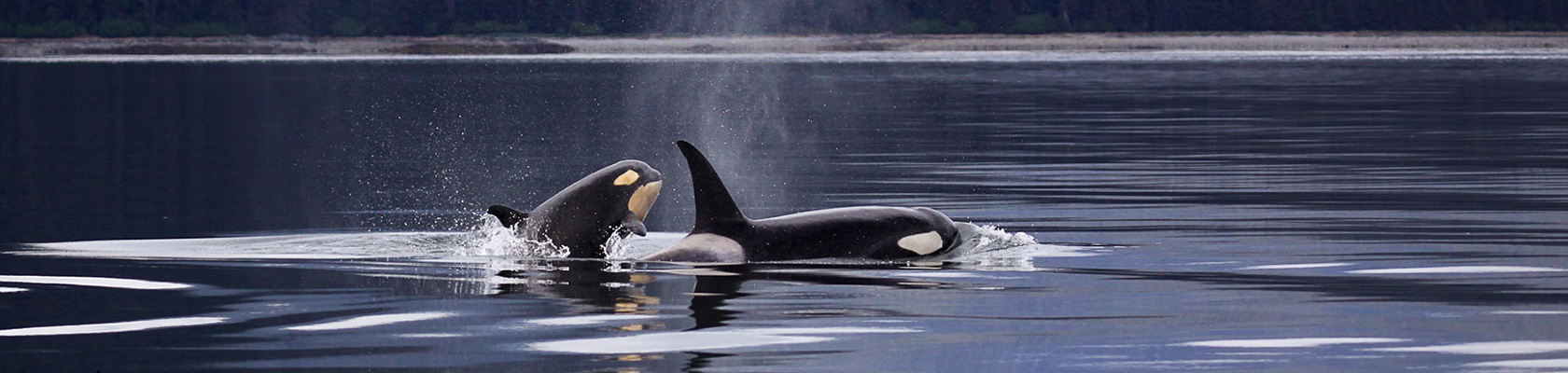
Orca Whales
The Orca, also known as the “killer whale,” is the largest species of the oceanic dolphin family (Family Delphinidae). This toothed predator is one of the most widely distributed sea mammals on earth, and can be found in all of the world’s oceans. Outdoor Odysseys offers eco-friendly kayak tours in one of the world’s best orca whale watching areas, close to shore off San Juan Island and the surrounding waters of the San Juan Archipelago.
Resident orca populations are those that frequent the waters off the San Juan Islands and are organized into stable, highly social matrilineal family groups called “pods.” Within the inland waters of Washington and Canada, there are three resident orca family groups – labeled alphabetically as J, K, and L pods. Offspring tend to live with their mothers for their entire lives. Some females may live for over 90 years in one social group. In total, the three Southern Resident pods have less than 80 individuals at present time.
Since 2005, the Southern Resident Orcas of the Pacific Northwest have been listed as an endangered species. Toxic and acoustic pollution, the decline of salmon populations, habitat loss, danger from vessel traffic, and the gradual worldwide warming of ocean temperatures threaten the J, K, and L pods in the San Juan Islands. It is our responsibility to treat them with a respect in-keeping with our admiration for these beautiful creatures. Our goal here in the San Juans as whale enthusiasts, avid kayakers, and environmentalists is to “share the road” with our orca friends and educate fellow kayakers and whale watchers about the current plight of a very special species.
We strive to provide a fantastic kayak experience and consider orca whales to be the “icing” on an already amazing cake of adventure and natural beauty. The Southern Residents favor the west side of San Juan Island, where we launch the majority of our kayak tours; therefore, we usually have a good chance of seeing them on any of our trips during the summer months. Please remember that these endangered animals have a large territory to cover, a limited food supply, and have suffered a huge decline in their population over the last century. We try not to give them too much flak if they don’t show up on cue.
Further Reading on Orca Whales
Orca Whale Quick Facts
About San Juan’s Orca Whales
Southern Resident Orca Whales
Whale Watching: Frequently Asked Questions (FAQ)
Do some outfitters have special access to whales?
No. The outfitters here on San Juan Island all have the same information related to whale location, and no one gets special access.
When is the best time to see whales?
June, July and August provide the most consistent sightings of these magnificent creatures. However, they often make appearances in May and we regularly see orcas in September and even October.
Can you guarantee whale sightings?
No kayak company can. We do our best, but as outdoor enthusiasts, we are used to changing conditions and the spontaneity of wildlife behavior, and we encourage all potential whale watchers to adopt a similar philosophy. The orcas are wild animals with incredible range. Sightings are a matter of being in the right place at the right time. Where we paddle is definitely the right place, the timing is up to the orcas.
Other Whales
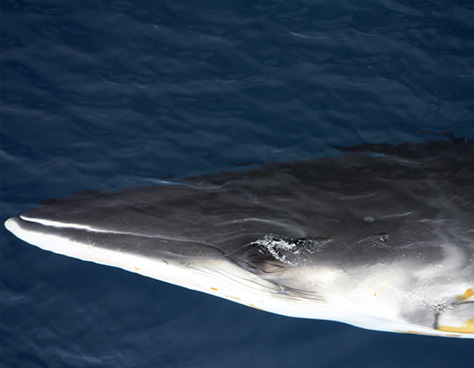
Minke Whales
Orcas aren’t the only whales found in the waters of the San Juan Islands. Northern minke whales also visit our area. The northern minke whale is the smallest of the baleen whales at approximately 25-30 feet in length. We occasionally will see Minkes whales on our San Juan Islands whale watching and kayak tours.
Learn More
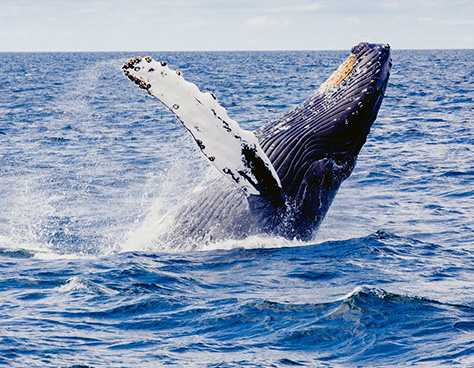
Humpback Whales
Humpbacks are one of the larger baleen whales, at nearly 50ft. Before 2002, Humpbacks had not been seen in this area for over 60 years, having been hunted to near extinction. Thanks to endangered species status and conservation efforts, we’re now seeing a regular and growing population returning to the Salish Sea.
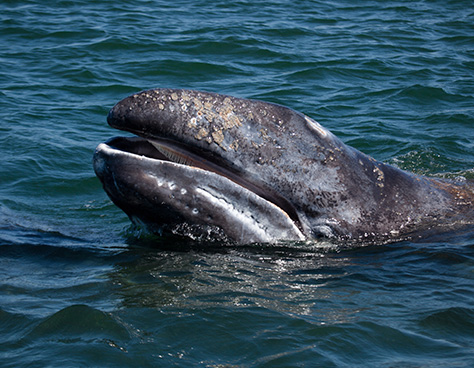
Gray Whales
Gray Whales are less frequent visitors to our waters. Their streamlined body, mottled coloring and narrow, tapered head distinguish them from Minkes and Humpbacks. Like the humpbacks, they are also baleen whales, and their dual blowholes sometimes form a distinctive “V” or heart shaped spray.
Other Wildlife
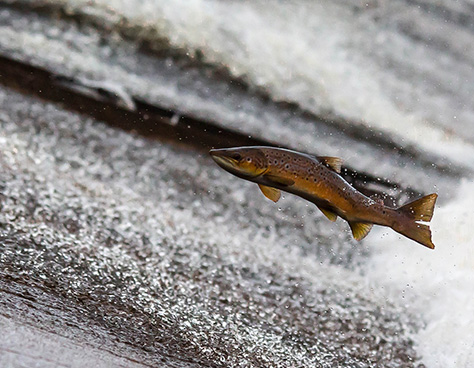
Salmon
These iconic migratory fish are a central part of our ecosystem. They compose 80-90% of a resident orca’s diet, and they play many other important roles in our environment and our culture.
Learn More
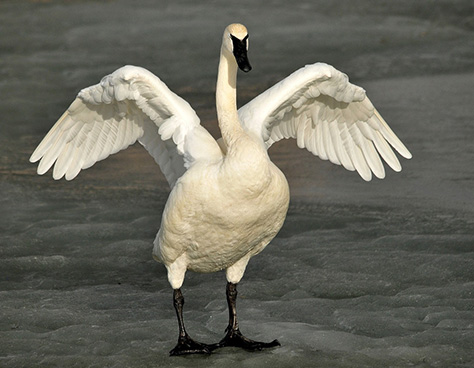
Birding
The rocky and tree lined shores of the San Juan Islands provide an excellent habitat for over 290 different bird species including great blue herons, oyster catchers, trumpeter swans, peregrine falcons, ospreys, and bald eagles.
Learn More
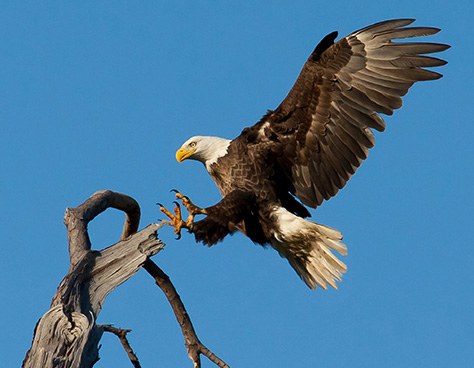
Bald Eagles
The San Juan Islands host between 40 to 50 breeding pairs of bald eagles, one of the largest eagle nesting populations in the continental United States.
Learn More
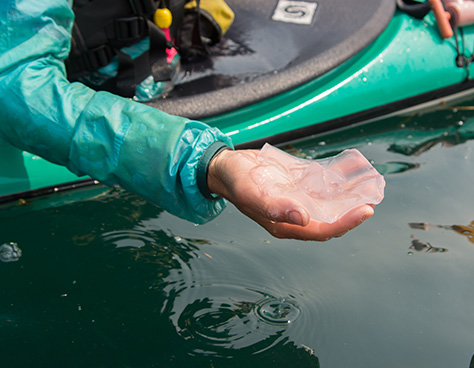
San Juan Islands Wildlife and Marine Mammals
The inland waters of Washington are one of the richest marine environment in the world. There’s always something to see and explore.
Learn More